Celebration of Life Videography on Kauaʻi | Kanakanowelo
The Importance of Videography for a Celebration of Life on Kauaʻi
A Celebration of Life brings together ʻohana and friends to remember someone through stories, photographs, music, laughter, tears, and shared memories.
For many families on Kauaʻi, these gatherings may also bring people home from across Hawaiʻi, the continent, and other parts of the world. Some haven't seen each other for years. Others may be unable to make the journey at all.
In the middle of everything involved in planning a Celebration of Life, professional videography may not be one of the first things a family thinks about.
But after the gathering is over, a video can become one of the few ways to return to the stories and moments shared that day.
A Celebration of Life Is Filled With Stories
One of the most meaningful parts of a Celebration of Life is hearing people talk about the person they knew.
A sibling may remember something from childhood.
A longtime friend may tell a story the rest of the family has never heard.
Children and grandchildren may share what that person taught them.
There may be mele, hula, prayer, photographs, laughter, and moments when the entire gathering remembers together.
Those stories are difficult to recreate afterward.
A photograph can preserve an expression or a particular moment, but video can preserve someone's voice, the way a story was told, the laughter that followed, and the reactions of the people listening.
Years later, those details can become incredibly meaningful.
Not Everyone Can Make It Home to Kauaʻi
Kauaʻi families often have ʻohana spread throughout the islands and far beyond Hawaiʻi.
When a Celebration of Life is planned, not everyone may be able to travel home.
Work, health, finances, distance, or the short amount of time available to make arrangements can prevent someone from attending, even when they desperately want to be there.
Recording the service creates another way for those family members to experience what was shared.
Depending on the family's needs, a Celebration of Life can also be professionally livestreamed, allowing distant ʻohana to experience the gathering as it happens.
It doesn't replace being there.
But it can help someone who cannot make the journey still feel connected to their family during an important moment.
You May Not Remember Everything That Happened
A Celebration of Life can be an emotional day.
Family members may also be responsible for greeting guests, coordinating food, helping kūpuna, communicating with musicians, preparing photographs, organizing the program, and handling countless other details.
Even when you are physically present, it can be difficult to absorb everything happening around you.
You might remember someone's speech but forget part of what they said.
You might miss a story because you were speaking with another family member.
There may even be moments happening before or after the formal service that you never saw.
Having the gathering documented gives ʻohana an opportunity to return to the day later, when there is more time to listen.
Preserve the Voices, Not Just the Images
Beautiful footage matters, but for a Celebration of Life, audio can be just as important as the picture.
Imagine being able to hear a kūpuna tell a story about your loved one years later.
Or hearing the mele performed in their honor.
Or returning to a speech from a child, spouse, sibling, friend, or grandchild.
Professional videography is not simply about pointing a camera toward a podium. Capturing clear audio, multiple perspectives, performances, speakers, and the atmosphere of the gathering can create a much more complete record for the family.
The result becomes more than an event video.
It becomes part of the family's history.
Videography Shouldn't Distract From the Gathering
There is an important distinction between documenting a Celebration of Life and turning it into a production.
The cameras shouldn't become the center of attention.
A videographer needs to understand when to move, when to remain still, where equipment can appropriately be placed, and when getting a particular shot simply isn't worth disrupting an important moment.
This is especially important on Kauaʻi, where a Celebration of Life may incorporate Hawaiian cultural practices, oli, pule, hula, mele, religious traditions, or protocols specific to that ʻohana.
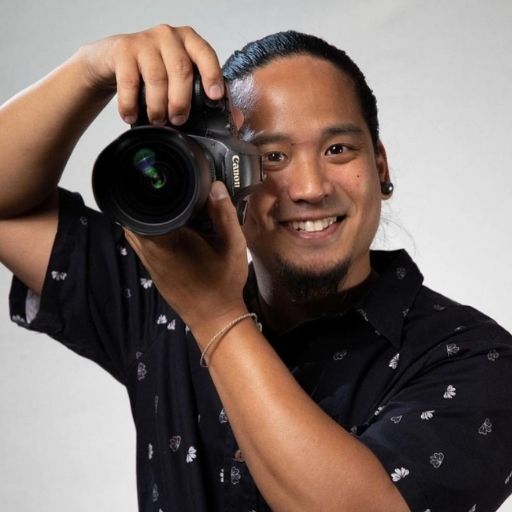
As a videographer, I believe in asking rather than assuming.
Before recording culturally or personally significant moments, communication with the family and those responsible for the gathering is important. There may be things the family wants documented, things they want kept private, or moments where a camera should remain at a respectful distance.
Professional coverage should preserve the gathering without changing the experience of the people who came to remember their loved one.
Your Memorial Video Doesn't Have to Be Public
Hiring a professional videographer does not mean your family's memories need to become public content.
A Celebration of Life can be documented specifically for the ʻohana.
Families may choose to privately preserve the complete service, speeches, performances, and other memories rather than publishing them publicly.
Privacy should be part of the conversation when planning the production.
Even a private livestream is possible.
Some families may want to share the finished film widely so friends and relatives can watch. Others may want access limited to immediate ʻohana.
The purpose of filming is to preserve what matters to your family.
Future Generations Can Hear the Stories Too
There is another reason to consider recording a Celebration of Life that may not become apparent for many years.
Future generations weren't there.
A moʻopuna may someday want to know more about a grandparent or great-grandparent they barely remember. Some descendants may not have even been born when the gathering took place.
A professionally recorded Celebration of Life can preserve stories that otherwise survive only through memory.
They can hear how people spoke about their ancestor.
They can see who gathered.
They can listen to the music.
They can hear names, places, experiences, jokes, lessons, and family history directly from the people who knew that person.
In that sense, videography isn't only about documenting an event.
It can become a record for generations of ʻohana.
Celebration of Life Videography on Kauaʻi
At kanakaNowelo, we understand that filming a Celebration of Life requires a different approach from filming a festival, commercial, or typical event.
It requires professionalism, but also discretion.
It requires good cameras and audio, but also knowing when the camera shouldn't interfere.
And on Kauaʻi, it can require an understanding that culture, family, place, and protocol are deeply connected.
Whether your family wants the complete Celebration of Life professionally recorded, needs livestreaming for ʻohana who cannot travel to Kauaʻi, or wants a memorial film preserving the stories shared about your loved one, we can work with you to determine an approach appropriate for your gathering.
Preserve the Stories Your ʻOhana Shares
A Celebration of Life happens once.
The stories told that day may never be told together in quite the same way again.
Videography gives your ʻohana a way to preserve those voices, memories, mele, laughter, and moments—not simply for the people gathered today, but for the family members who may watch them years from now.
If you're planning a Celebration of Life on Kauaʻi and would like it documented thoughtfully and professionally, contact kanakaNowelo to discuss videography or livestream coverage for your ʻohana.